Data Center in a Box: The Ultimate All-in-One IT Solution for Modern Businesses
Introduction to Data Center in a Box
In today’s fast-paced digital economy, businesses demand IT infrastructure that is fast, reliable, scalable, and cost-effective. Traditional data centers often require significant capital investment, long deployment timelines, and specialized staff to manage complex systems. This is where data center in a box emerges as a game-changing solution.
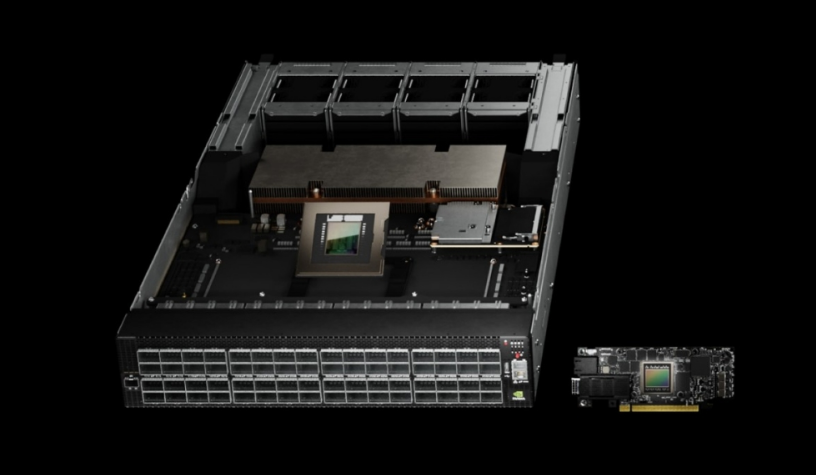
A data center in a box offers a compact, pre-engineered, and fully integrated IT environment that combines computing, storage, networking, power, cooling, and management software into a single deployable unit. It simplifies IT operations while delivering enterprise-grade performance, making it ideal for organizations of all sizes.
What Is a Data Center in a Box?
Core Definition and Concept
A data center in a box is a self-contained IT infrastructure solution designed to deliver the core functionality of a traditional data center in a compact and modular form. It arrives preassembled, preconfigured, and ready to deploy, significantly reducing setup time and operational complexity.
Unlike conventional data centers that require custom design and construction, this solution is standardized and optimized for efficiency. Businesses can deploy it on-premises, at remote sites, or even in harsh environments.
See also: Beyond Compliance: The Multifaceted Benefits of Energy Code Calculations
How It Differs from Traditional Data Centers
Traditional data centers demand large physical spaces, extensive cabling, and long planning cycles. In contrast, a data center in a box is portable, scalable, and requires minimal on-site configuration. It eliminates guesswork by offering predictable performance, power usage, and maintenance requirements.
Key Components of a Data Center in a Box
Integrated Hardware Infrastructure
A data center in a box includes enterprise-grade servers, storage systems, and virtualization-ready hardware. These components are factory-tested to ensure compatibility and performance, reducing the risk of hardware conflicts.
Preconfigured Software Stack
The solution typically comes with virtualization software, management tools, and sometimes backup and disaster recovery applications. This software stack allows administrators to manage workloads, monitor performance, and allocate resources efficiently.
Built-In Networking and Security
Networking components such as switches, firewalls, and load balancers are integrated into the system. Security features like encryption, access control, and intrusion detection help protect sensitive data and meet compliance requirements.
How Data Center in a Box Works
Deployment and Installation Process
Deploying a data center in a box is straightforward. Once delivered, it only requires power and network connectivity. The preconfigured design allows organizations to go live within hours or days instead of months.
Centralized Management and Monitoring
Most solutions include centralized dashboards that provide real-time visibility into system health, performance metrics, and resource usage. This simplifies IT management and reduces the need for specialized expertise.
Major Benefits of Data Center in a Box
Cost Efficiency and Predictable Spending
One of the biggest advantages of a data center in a box is cost control. Organizations benefit from reduced capital expenditure, lower energy consumption, and simplified maintenance. Predictable pricing models help with long-term budgeting.
Rapid Deployment and Scalability
Businesses can scale resources up or down by adding modules as needed. This flexibility ensures IT infrastructure grows alongside business demands without disruption.
Energy Efficiency and Space Optimization
These systems are designed with optimized cooling and power distribution, reducing energy waste. Their compact footprint makes them ideal for environments with limited space.
Use Cases and Industry Applications
Small and Medium-Sized Businesses (SMBs)
SMBs often lack the budget and expertise to manage traditional data centers. A data center in a box provides enterprise-level capabilities without the complexity, enabling SMBs to compete effectively.
Edge Computing and Remote Locations
For industries such as telecommunications, oil and gas, and retail, edge computing is critical. A data center in a box supports local data processing, reducing latency and improving performance in remote sites.
Disaster Recovery and Business Continuity
Organizations use these solutions as backup or disaster recovery systems. Their portability and quick deployment ensure business continuity during outages or emergencies.
Data Center in a Box vs Traditional Data Centers
| Feature | Data Center in a Box | Traditional Data Center |
|---|---|---|
| Deployment Time | Hours or Days | Months |
| Initial Cost | Lower | High |
| Scalability | Modular | Complex |
| Space Requirement | Minimal | Large |
| Maintenance | Simplified | Resource-Intensive |
Security and Compliance Considerations
A modern data center in a box is built with security in mind. Features include role-based access control, data encryption, secure boot mechanisms, and compliance support for standards like ISO and GDPR. For more insights on data center security standards, visit https://www.ibm.com/topics/data-center-security.
Challenges and Limitations
Despite its advantages, a data center in a box may not be suitable for extremely large enterprises with massive workloads. Customization options can be limited compared to fully bespoke data centers, and vendor lock-in is a potential concern.
Choosing the Right Data Center in a Box
When selecting a solution, organizations should evaluate performance requirements, scalability options, vendor support, security features, and total cost of ownership. A thorough needs assessment ensures the chosen system aligns with business goals.
Future Trends and Innovations
The future of data center in a box includes tighter integration with cloud platforms, AI-driven automation, improved energy efficiency, and enhanced support for edge and IoT workloads. These innovations will further expand adoption across industries.
Frequently Asked Questions (FAQs)
1. What is a data center in a box used for?
It is used to provide a compact, preconfigured IT infrastructure for computing, storage, networking, and management.
2. Is a data center in a box suitable for small businesses?
Yes, it is ideal for small and medium-sized businesses due to its affordability and simplicity.
3. How long does it take to deploy a data center in a box?
Deployment usually takes hours or a few days, depending on configuration.
4. Is a data center in a box secure?
Yes, most solutions include enterprise-grade security features and compliance support.
5. Can a data center in a box scale with business growth?
Absolutely. Modular designs allow easy expansion.
6. How is it different from cloud computing?
A data center in a box is an on-premises solution, while cloud computing relies on off-site infrastructure managed by third-party providers.
Conclusion
A data center in a box represents a powerful shift in how organizations deploy and manage IT infrastructure. By combining efficiency, scalability, security, and cost savings into a single solution, it empowers businesses to stay agile in an increasingly digital world. Whether used for core operations, edge computing, or disaster recovery, this innovative approach is shaping the future of modern data centers.